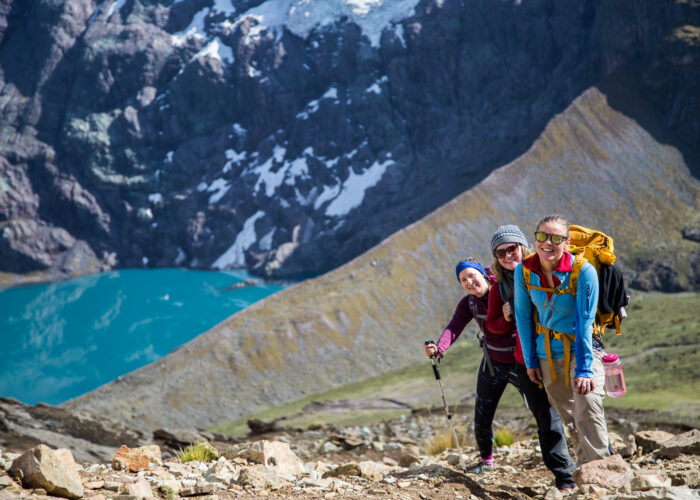
The Inca Trail to Machu Picchu is globally recognized as a marvel of ancient engineering and a route rich in historical significance. This 26-mile trek offers travelers an immersive experience in the breathtaking Andean landscape and cultural heritage. Each year, thousands of adventurers are drawn to this iconic trail, seeking both adventure and a deeper understanding of Peru’s indigenous history. As tourism continues to grow, it becomes increasingly important to balance the desire for exploration with the responsibility of preserving the trail and supporting local communities. Sustainable tourism practices must be prioritized to protect the natural environment and ensure the rights of local workers are respected.
The growing popularity of this trail has led to a significant challenge: the widespread ethical exploitation of porters and local workers, who are the backbone of the trekking industry. As the demand for guided tours increases, pressing issues related to labor rights and the fair treatment of these essential workers have come to light. Today, an enriched trekking experience must include heightened awareness of the impact of one’s choices on the local community. By prioritizing responsible tourism practices, the lives of local workers can be actively improved, while sustainable tourism is promoted. The focus must now shift to ensuring that labor rights are upheld and ethical practices are integrated into every aspect of the trekking experience.
Despite the picturesque views, a troubling reality of worker abuse continues to persist beneath the surface of the Inca Trail trekking industry. Many operators, while claiming to support local economies, allow practices that severely undermine the welfare of their staff.
Testimonies have revealed that staff are frequently forced to forage for food or sleep in substandard accommodations. These accounts highlight a profound lack of respect and recognition for their tireless efforts, underscoring the need for immediate action to improve their working conditions.
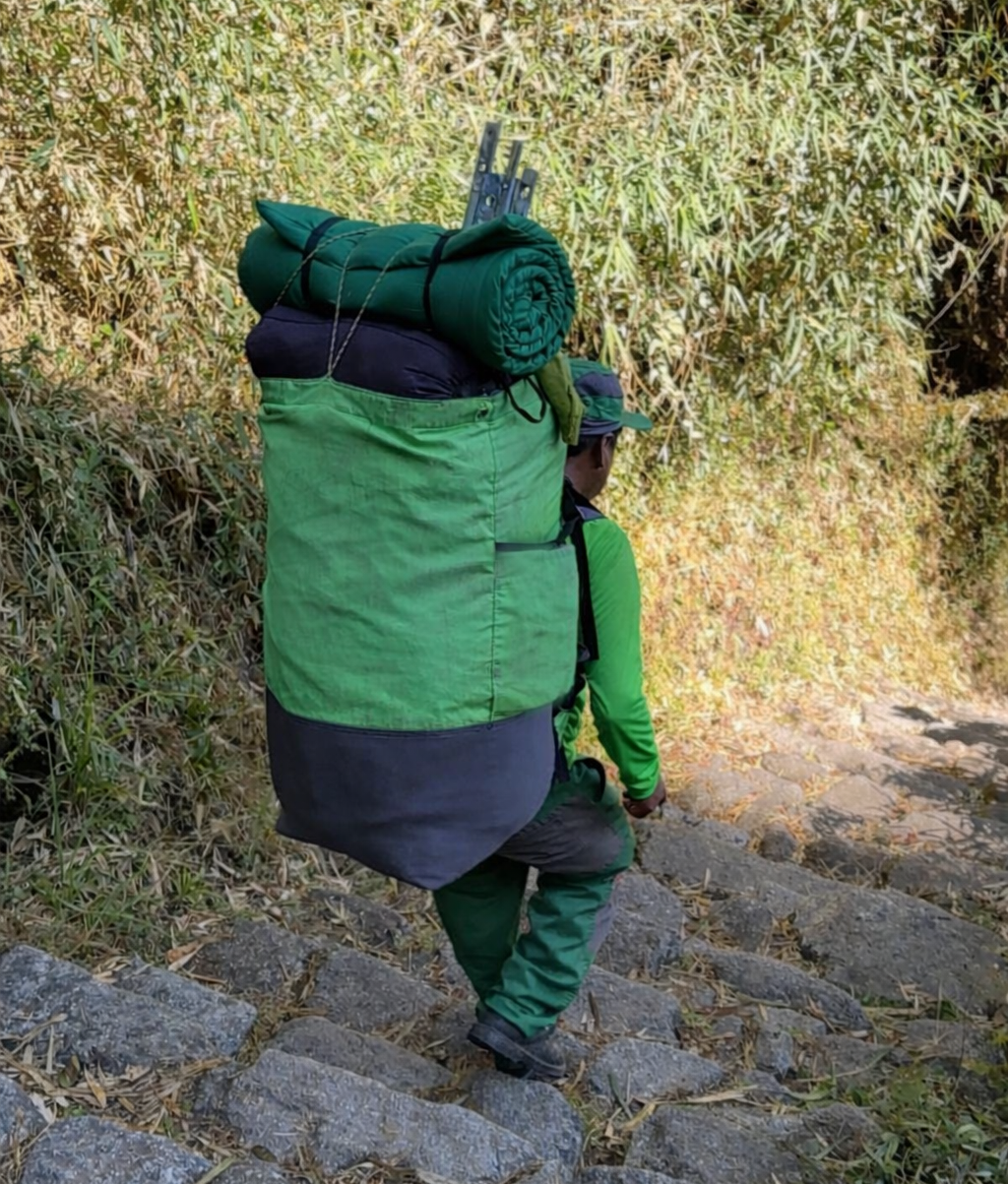
Porters on the Inca Trail face severe working conditions, often lacking basic equipment such as sleeping bags and tents. Despite carrying heavy loads across difficult terrain, they are frequently exposed to extreme weather, putting their health and safety at risk.
Poor regulation and low wages contribute to the exploitation of these workers. Immediate action must be taken to ensure fair wages, provide proper equipment, and implement better protections, securing their well-being and the sustainability of the Inca Trail
Many porters receive meager salaries, often falling below the minimum wage required for a sustainable living. Guides also face compensation that does not reflect their essential skills or the hardships imposed by the altitude.
Health and Safety Risks: Excessive loads are frequently carried by porters, sometimes surpassing legal limits. This, along with a severe lack of proper gear, inadequate nourishment, and insufficient breaks, puts their physical health and well-being at significant risk.
The highly competitive travel market has led many operators to adopt sophisticated marketing strategies designed to project an ethical image. However, these strategies often contradict the actual practices of these companies, creating a deceptive illusion for travelers who seek responsible tourism.
Vague Terminology: Marketing often uses terms like “eco-friendly,” “local support,” and “responsibly sourced,” yet the true impact on communities and the environment is frequently downplayed or left unverifiable. This misleading language prevents travelers from making well-informed decisions.
Selective Storytelling: Many companies highlight minor successes or positive community engagements while conveniently omitting negative aspects, such as staff mistreatment or environmental degradation. This selective approach misguides travelers who are seeking ethical and responsible travel experiences.
Lack of Transparency: Several operators refuse to disclose critical operational details, such as wage policies or environmental measures. This lack of transparency prevents travelers from making informed and responsible choices.
This gap between the promises made in marketing and the actual operations erodes trust, perpetuating an unsustainable tourism model. Ultimately, this undermines the cultural and environmental integrity of the Inca Trail region, posing significant risks to both local communities and the environment.

Travelers play a crucial role in promoting a more equitable tourism industry. By understanding the impact of their choices, they can advocate for positive change within the industry.
How to Identify a Truly Ethical Operator:
Demand Transparency: Request clear and honest information about wage policies and how staff are treated.
Seek Verification: Check for consistent positive reviews from past travelers, especially regarding the welfare of local staff.
Ask Direct Questions: Ethical operators are always willing to openly discuss their policies, demonstrating their commitment to transparency.
Choosing a responsible operator is not just a personal decision but an advocacy act that directly contributes to a more sustainable and ethical future for the Inca Trail and its communities.
At Inka Power Peru, the systemic exploitation within the tourism industry is recognized, and a commitment to providing a truly ethical solution is made. The status quo is rejected, with the aim to establish a new standard—one that is transparent, dignified, and respectful to all involved in trekking.
Our mission goes beyond simply preventing abuse; active efforts are made to empower our people and re-educate both our team and guests. The rich history and traditions at the heart of the Andean experience are honored, fostering a deeper understanding and respect for the local culture and environment.
.
Dignity and Fair Labor: At Inka Power Peru, we guarantee wages that exceed market standards, ensuring fair compensation for every porter and guide. We provide top-quality gear, nutritious meals, and proper rest, showing our respect for their invaluable contributions.
Cultural Empowerment: Our staff are honored as the custodians of our heritage. We empower them to share their knowledge, preserving and celebrating the cultural significance of the trek.
Total Transparency: We operate with complete transparency. When you book with Inka Power Peru, you support an accountable, equitable economic model that directly benefits the local community.
Join us on the Inca Trail—not only as a traveler, but as a catalyst for positive change. Your journey along this ancient path supports the dignity, well-being, and revaluation of the people who call this sacred land home.
Ready to support an ethical and culturally enriched Inca Trail experience?
Discover the Inka Power Peru Difference and Book Your Journey Today!